

- Introduction: Stay One Step Ahead of Financial Scams in the USA
- What Are Financial Scams and Why Are They a Growing Concern?
- How to Identify Scams in the USA: Red Flags to Watch For
- Top 10 Tips to Avoid Financial Scams in the USA
- 1. Verify the Source Before Sharing Information
- 2. Use Strong, Unique Passwords
- 3. Be Skeptical of Unsolicited Offers
- 4. Monitor Your Accounts Regularly
- 5. Educate Yourself on Common Financial Scams
- 6. Avoid Clicking Suspicious Links
- 7. Use Secure Payment Methods
- 8. Report Scams Immediately
- 9. Freeze Your Credit if Necessary
- 10. Trust Your Instincts
- Protecting Yourself from Online Scams in the USA
- What to Do If You’ve Been Scammed
- People Also Search For
- Conclusion: Empower Yourself with Scam Awareness
Introduction: Stay One Step Ahead of Financial Scams in the USA
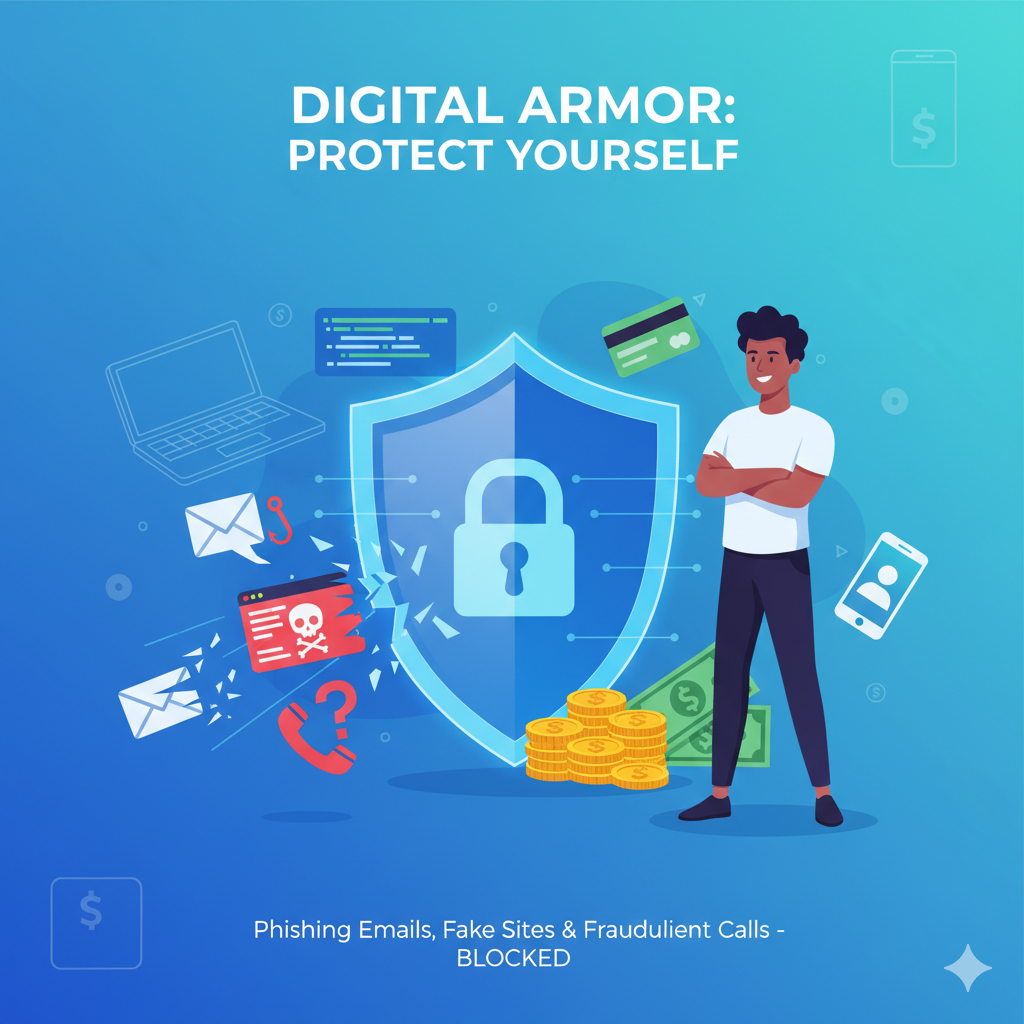
In today’s digital age, knowing how to avoid financial scams in the USA is more critical than ever. Scammers are becoming increasingly sophisticated, targeting everyone from beginners to seasoned investors. Whether it’s phishing emails, fake investment schemes, or fraudulent phone calls, financial scams can drain your savings and compromise your personal information. But don’t worry—this comprehensive guide will empower you with practical, actionable tips to protect yourself from scams in the USA. From recognizing red flags to safeguarding your finances, we’ve got you covered with expert advice tailored for all levels of experience.
What Are Financial Scams and Why Are They a Growing Concern?
Financial scams in the USA are deceptive schemes designed to trick individuals into giving away money, personal information, or access to their accounts. According to the Federal Trade Commission (FTC), Americans lost over $10 billion to fraud in 2023 alone, with online scams and impersonation fraud leading the charge. Common financial scams in the USA include:
- Phishing Scams: Fake emails or texts posing as legitimate companies to steal login credentials or financial details.
- Investment Scams: Promises of high returns with little risk, often through Ponzi or pyramid schemes.
- Romance Scams: Fraudsters build fake relationships to manipulate victims into sending money.
- Tech Support Scams: Fake technicians claim your device is compromised and demand payment for “fixes.”
- Impersonation Scams: Scammers pose as government officials, banks, or trusted organizations to extract funds.
Scam awareness in the USA is critical because fraudsters exploit trust, urgency, and lack of knowledge. By staying informed, you can recognize scams in the USA and protect your hard-earned money.
How to Identify Scams in the USA: Red Flags to Watch For
To avoid scams in the USA, you must first know how to spot them. Here are key warning signs to look out for:
- Unsolicited Contact: Be wary of unexpected calls, emails, or texts asking for personal or financial information. Legitimate organizations rarely reach out unprompted.
- Too-Good-to-Be-True Offers: Promises of quick riches, free money, or guaranteed returns are often scams. If it sounds too good to be true, it probably is.
- Pressure to Act Fast: Scammers create a sense of urgency to prevent you from thinking critically. Always take time to verify before acting.
- Request for Sensitive Information: Never share passwords, Social Security numbers, or bank details with unverified sources.
- Poor Grammar or Suspicious Links: Phishing emails often contain typos or links to fake websites. Hover over links (without clicking) to check their legitimacy.
By recognizing these red flags, you’ll be better equipped to prevent fraud in the USA and stay safe.
Top 10 Tips to Avoid Financial Scams in the USA
Here’s a detailed breakdown of practical strategies to protect yourself from scams in the USA, whether you’re a beginner or a pro:
1. Verify the Source Before Sharing Information
Always confirm the identity of anyone requesting your personal or financial details. Call official numbers listed on legitimate websites, not those provided in unsolicited messages. For example, if you receive an email claiming to be from your bank, contact them directly using a verified phone number.
2. Use Strong, Unique Passwords
Create complex passwords and avoid reusing them across multiple accounts. Consider using a reputable password manager to keep track of them. Enable two-factor authentication (2FA) for an extra layer of financial scam protection in the USA.
3. Be Skeptical of Unsolicited Offers
Whether it’s a phone call promising a free vacation or an email offering a lucrative investment, approach unsolicited offers with caution. Research the company or individual thoroughly before engaging.
4. Monitor Your Accounts Regularly
Check your bank and credit card statements frequently for unauthorized transactions. Set up alerts for unusual activity to catch potential money scams in the USA early.
5. Educate Yourself on Common Financial Scams
Stay informed about the latest scam trends by visiting trusted sources like the FTC’s website (consumer.ftc.gov) or the Better Business Bureau (bbb.org). Knowledge is your first line of defense.
6. Avoid Clicking Suspicious Links
Phishing scams often lure victims into clicking malicious links. If an email or text seems off, don’t click anything. Instead, visit the official website directly or contact the organization to verify.
7. Use Secure Payment Methods
When shopping online, use credit cards or secure payment platforms like PayPal, which offer better fraud protection than debit cards or wire transfers. Avoid sharing bank details directly with sellers.
8. Report Scams Immediately
If you suspect you’ve encountered a scam, report it to the FTC at ReportFraud.ftc.gov or your local law enforcement. Quick reporting can help prevent others from falling victim.
9. Freeze Your Credit if Necessary
If you suspect your personal information has been compromised, contact the major credit bureaus (Equifax, Experian, TransUnion) to freeze your credit. This prevents scammers from opening accounts in your name.
10. Trust Your Instincts
If something feels off, trust your gut. Take a step back, do your research, and consult a trusted friend or professional before proceeding.
By following these USA scam prevention tips, you’ll significantly reduce your risk of falling victim to financial fraud.
Protecting Yourself from Online Scams in the USA
With the rise of digital platforms, online scams in the USA are more prevalent than ever. Here’s how to stay safe in the online world:
- Secure Your Devices: Use up-to-date antivirus software and keep your operating system and apps updated to patch security vulnerabilities.
- Shop on Trusted Websites: Stick to reputable retailers with secure websites (look for “https://” and a padlock icon in the browser).
- Beware of Social Media Scams: Fraudsters often use fake ads or profiles on platforms like Facebook or Instagram to promote scams. Verify sellers before making purchases.
- Use VPNs on Public Wi-Fi: Public Wi-Fi networks are vulnerable to hackers. A virtual private network (VPN) encrypts your data for added security.
By taking these precautions, you can enjoy the convenience of the internet without falling prey to online scams in the USA.
What to Do If You’ve Been Scammed
Even the savviest individuals can fall victim to financial scams. If it happens to you, don’t panic—take these steps immediately:
- Stop All Communication: Cease contact with the scammer to avoid further losses.
- Notify Your Bank or Credit Card Company: Report unauthorized transactions and request a freeze on your accounts.
- Change Passwords: Update passwords for all affected accounts and enable 2FA.
- File a Report: Contact the FTC, your state’s attorney general, or local police to report the scam.
- Monitor Your Credit: Use services like AnnualCreditReport.com to check for unauthorized activity on your credit report.
Acting quickly can minimize damage and help authorities track down fraudsters.
People Also Search For
- How to report financial scams in the USA
- Common types of financial scams in 2025
- How to recover money lost to scams in the USA
- Best ways to protect personal information online
- How to spot phishing emails in the USA
- Are investment scams common in the USA?
Conclusion: Empower Yourself with Scam Awareness
Learning how to avoid financial scams in the USA is an essential skill in today’s world. By staying vigilant, educating yourself, and following the tips outlined in this guide, you can protect your finances and personal information from fraudsters. Remember to verify sources, monitor your accounts, and trust your instincts. With these tools, you’re well-equipped to stay one step ahead of scammers and enjoy greater peace of mind.
Disclaimer: The content on this blog is meant to share general knowledge and insights about finance and should not be taken as professional or investment advice. I am not a licensed financial advisor, and the information provided here may not fit your personal situation. Always do your own research and consult with a qualified financial professional before making any financial decisions. I cannot be held responsible for any losses or outcomes that may result from relying on the information shared here.